
Thoughts on music, travel, and the quiet spaces in between. Written from the California coast, wherever the road leads.
Gânduri despre muzică, călătorii și viața dintre ele. Scris de pe coasta Californiei sau de pe unde mă duce drumul.
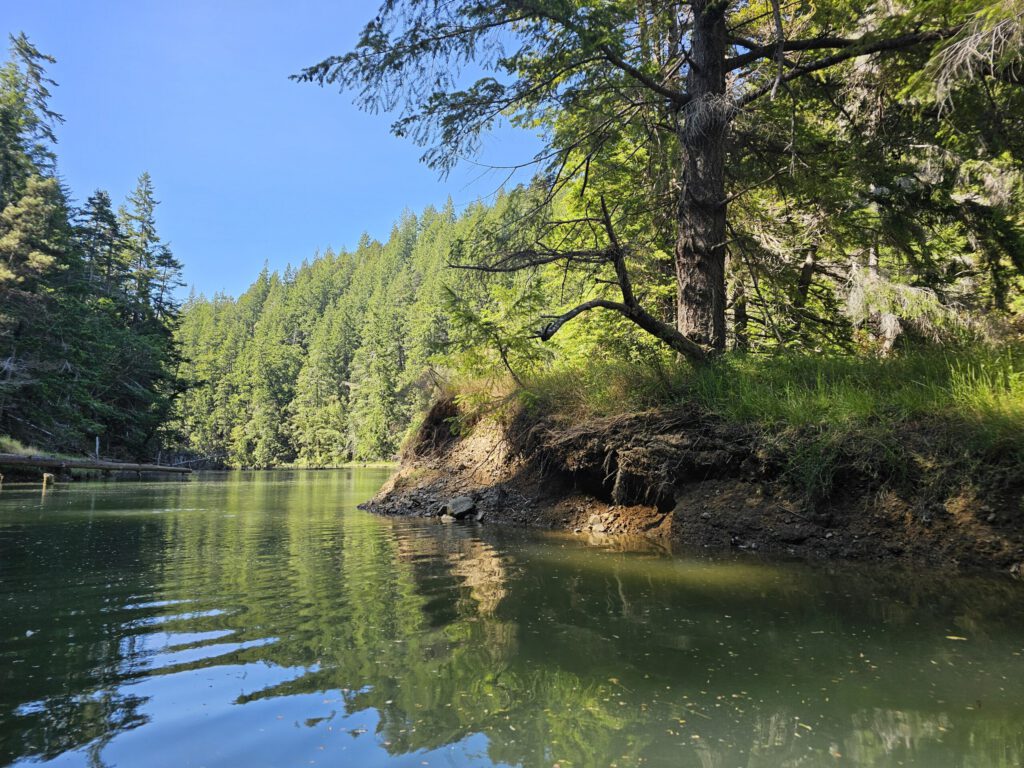
I had kayaked this river twice before. This time I put in around three in the afternoon and pushed upstream, determined to go as far as I could. It is early June, the days long, and I was counting on five hours of paddling, maybe a little more.
I have no shortage of tidal information at my disposal — tide booklets, websites, an app on my phone. I always pick up the latest booklet from the Hardware Store, yet I never actually remember to check the tides until I’m already at the water’s edge, paddle in hand. Which is always too late. The truth is I don’t make it a priority. The tides here aren’t particularly forceful either way, and I’m out here for exercise.
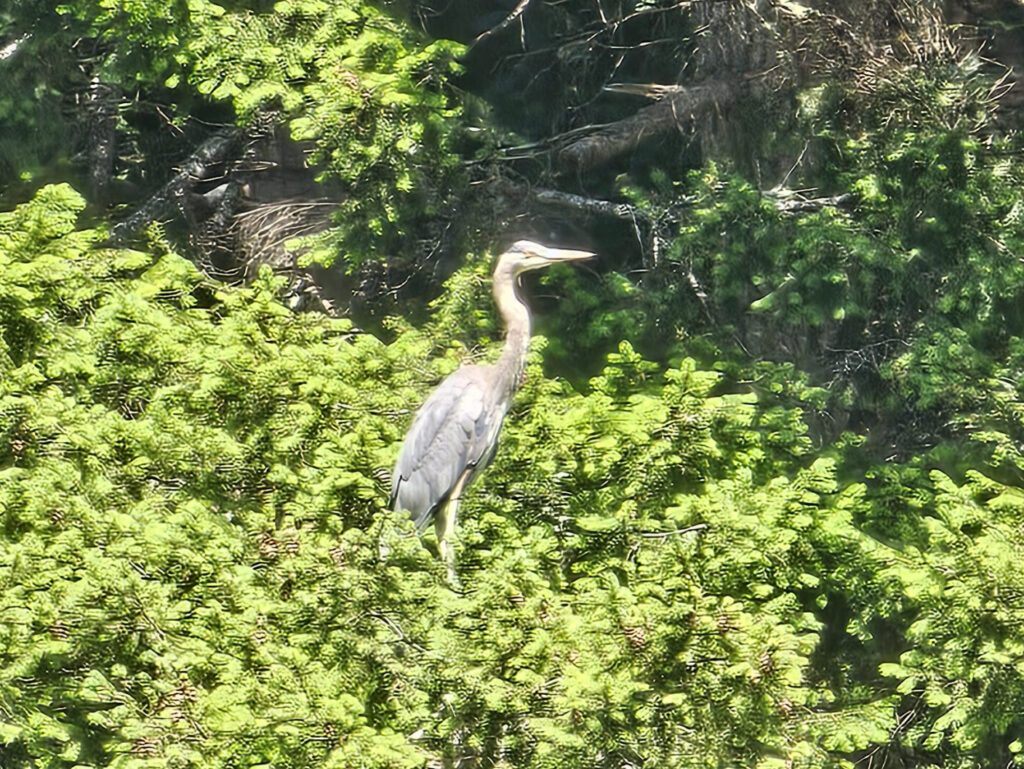
I’m out here for pleasure too. I stop and drift, listening to bird calls or watching otter heads pop up from the depths. I try to photograph them, though the current keeps swinging the kayak whenever I stop paddling, throwing off my aim just as I’m about to press the shutter. I’ve missed ospreys dropping from the sky to snatch a fish, gulls picking crabs off the shallows, curious otters and seals just being cute. Life out here is full and complex and it doesn’t wait for one to get one’s shot.
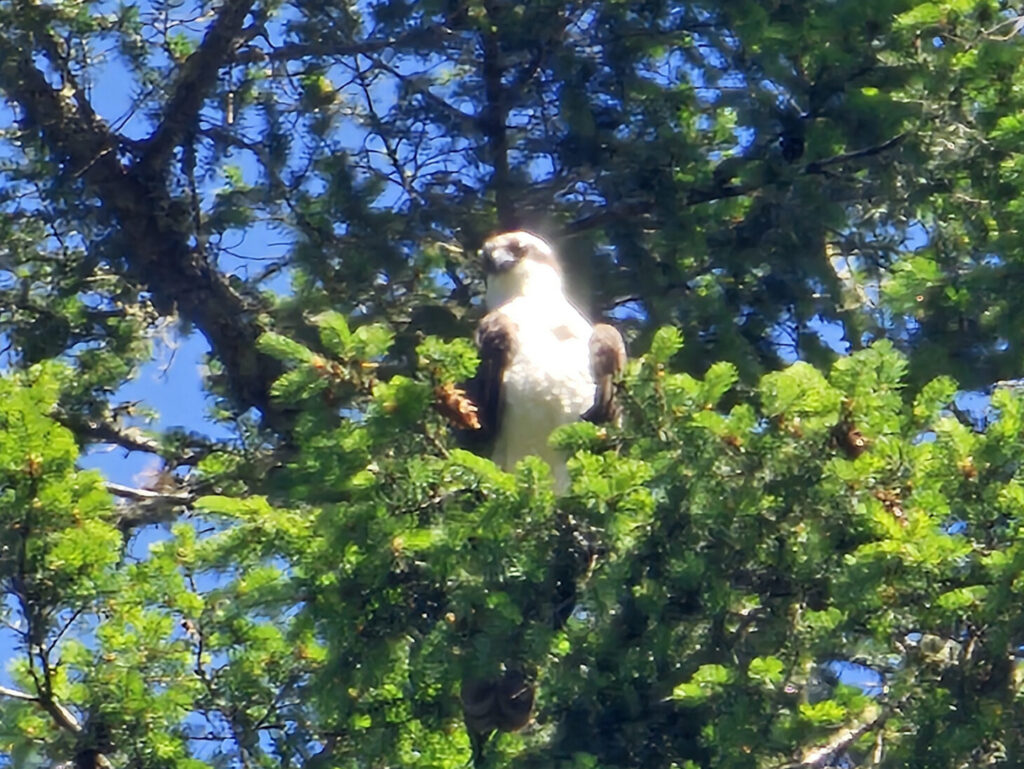
Keeping with tradition, I don’t check the tide tables. The river is nearly full and still rising, and that gives me a gentle push upstream. The wind is at my back too, which means it’ll be in my face when I return. I know this, but I go anyway.
I’m not sure how far I’ll get. My goal is to keep pushing until the river runs too shallow to float a kayak and its 210 pounds of cargo. I want to find the end of the line. The tide is with me completely right now, the water high enough to float me over the shallows and the sunken trunks and branches that would otherwise stop my advancement.
Since I’m here with a mission, I feel a brief pang of impatience — I’ll have to paddle nearly a mile before I reach water I’ve never paddled before. But the thought of seeing the floating houses consoles me. The river has a history of people wanting to live on it, and there are three structures along the way: two proper floating homes and a third, smaller and moored close to shore, listing and weathered, abandoned.
My memory proved inexact: I’d expected the first floating house to be further up the river, but it comes into view quickly. It’s abandoned too, and it doesn’t look sound. I find myself wondering, as I have before, why no one lives there anymore. With a little care it could be brought back to being wonderful again, I think.
I know it once belonged to a local man named Dory Dan Bolin, though a search turned up that it was actually built in the 1970s by Jon Turner, out of salvaged old-growth wood pulled from the river. I never met either of them. I came to know about Dory Dan through an obituary of sorts in the AVA — the Anderson Valley Advertiser — published after he died, though I only read it years later. Marco McClean, a local radio personality, had put out a call for anyone who knew him to share a story. Dory Dan must have had many friends, because the responses came in from everywhere. Despite the sad occasion, I laughed out loud at some of those stories. He had been a well-liked local hippie. And a character.
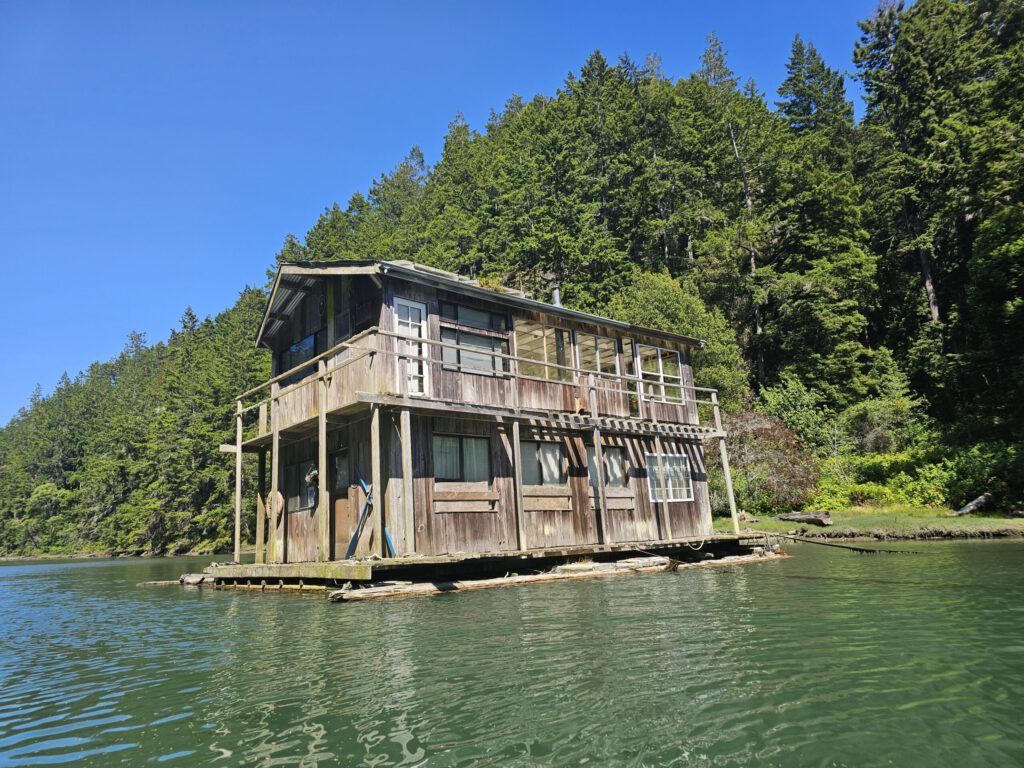
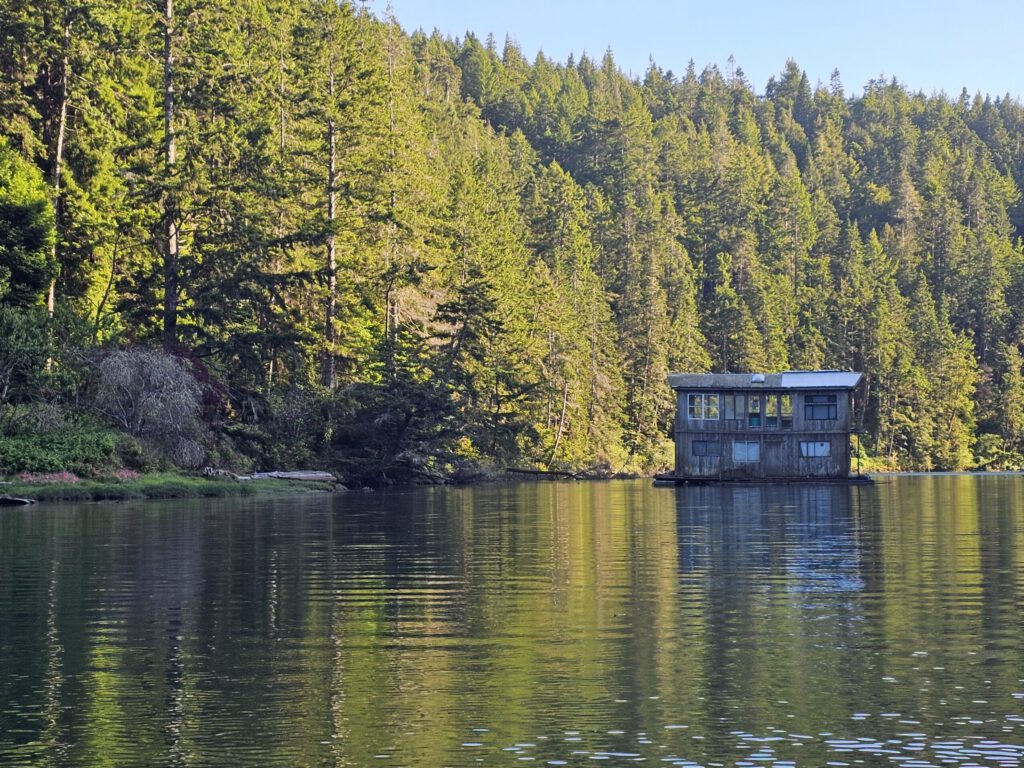
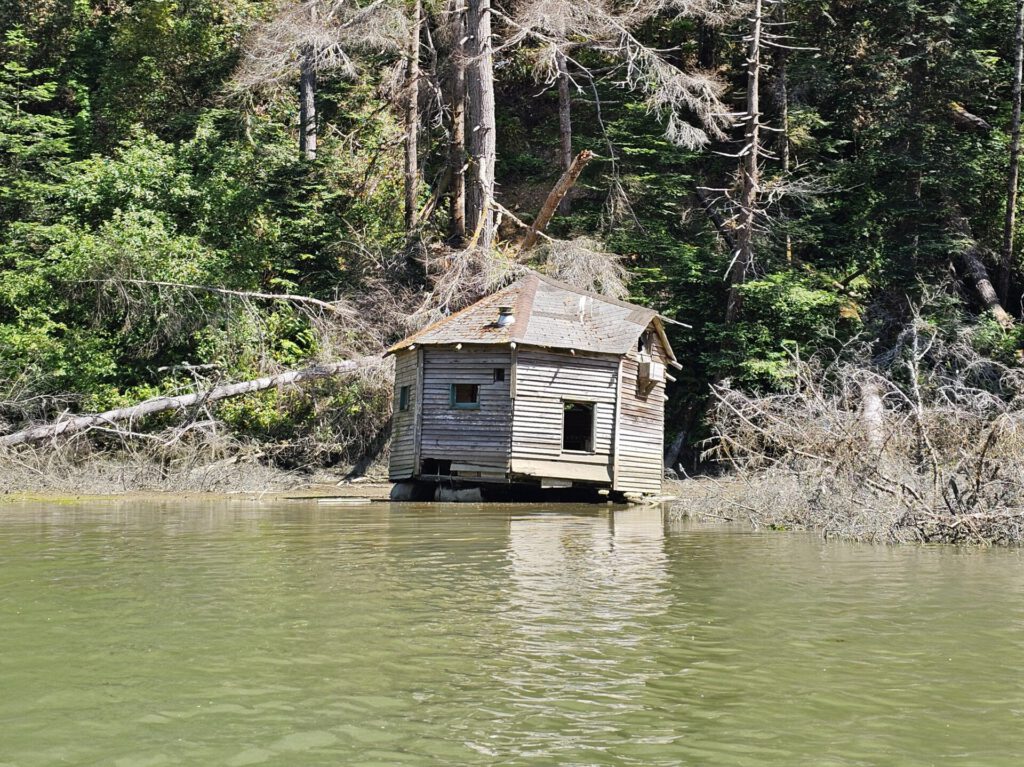
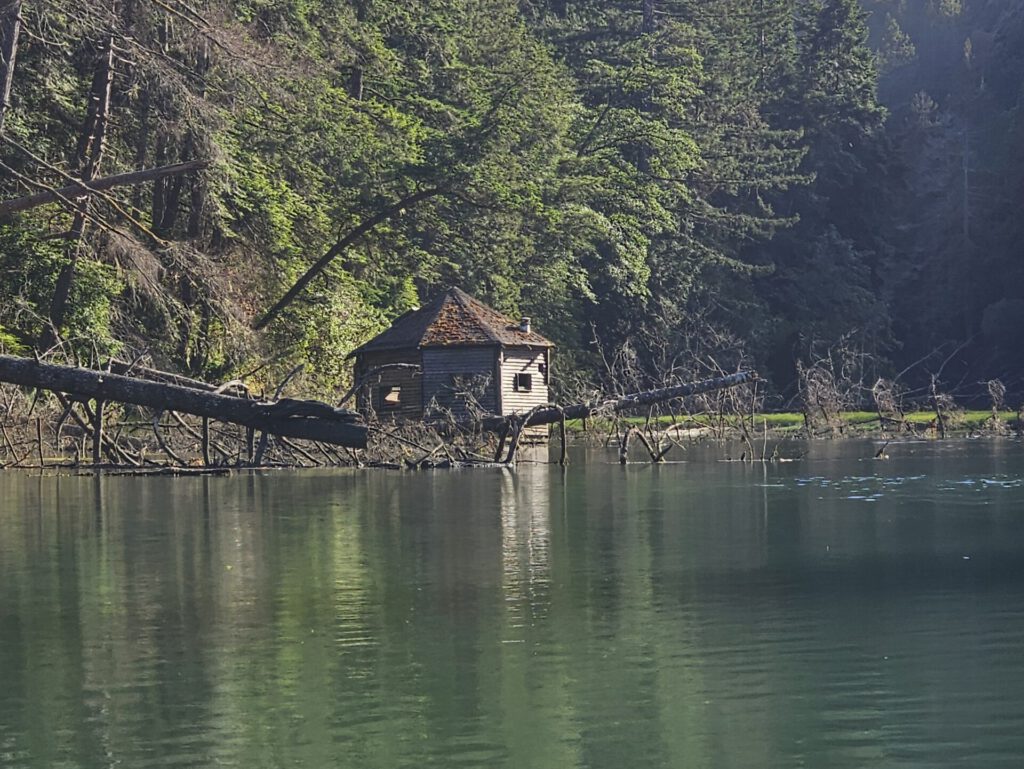
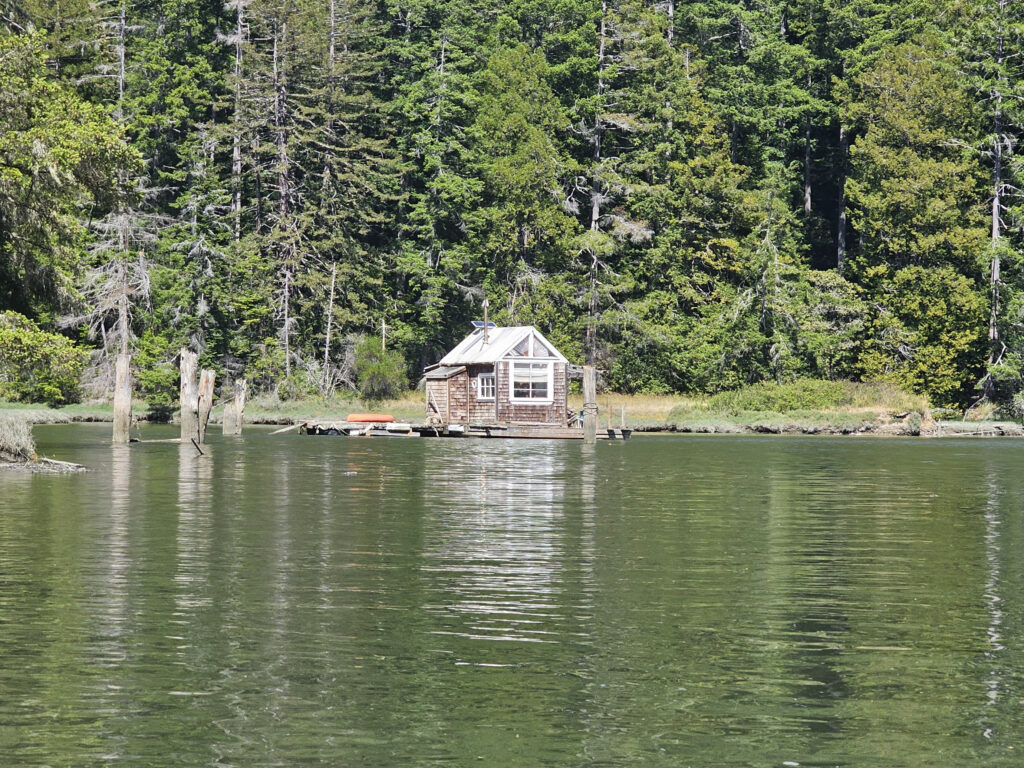
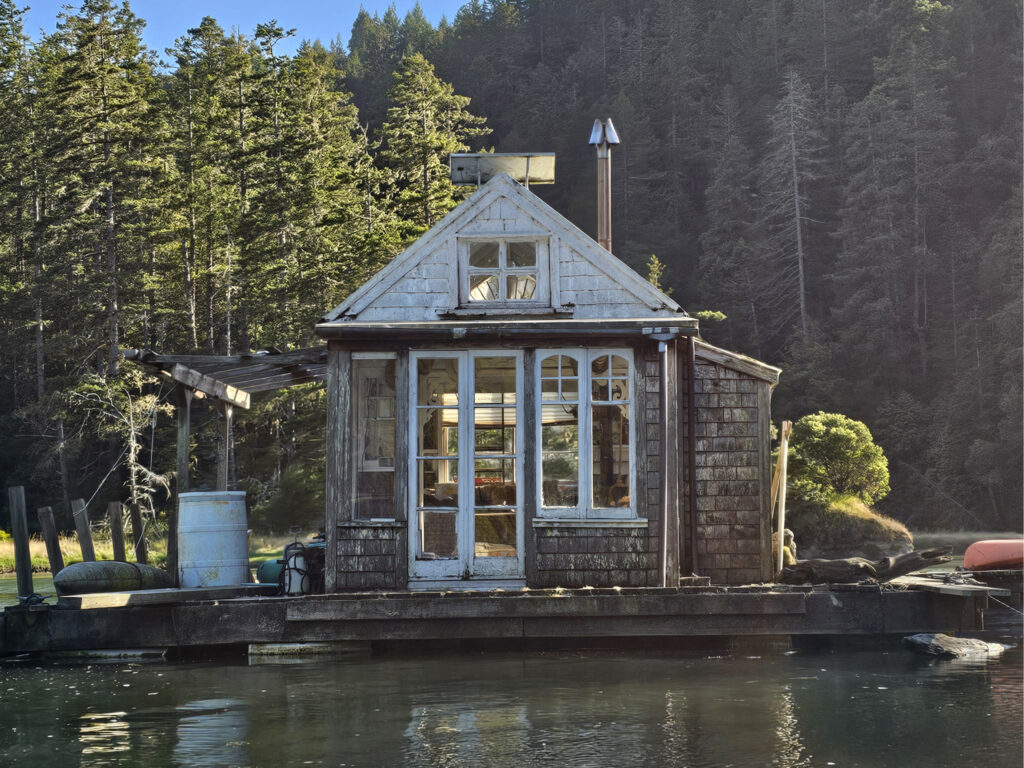
I continue upstream and soon come upon the second structure, the smallest of the three and in the worst shape. Several siding panels had been ripped away, windows are missing and the whole thing has a sad, resigned look to it. However, on closer inspection it shows a certain care to it. The builder had put soul in it. It used to float in the middle of the river, near the third house, which comes into view quite suddenly, just past the first bend.
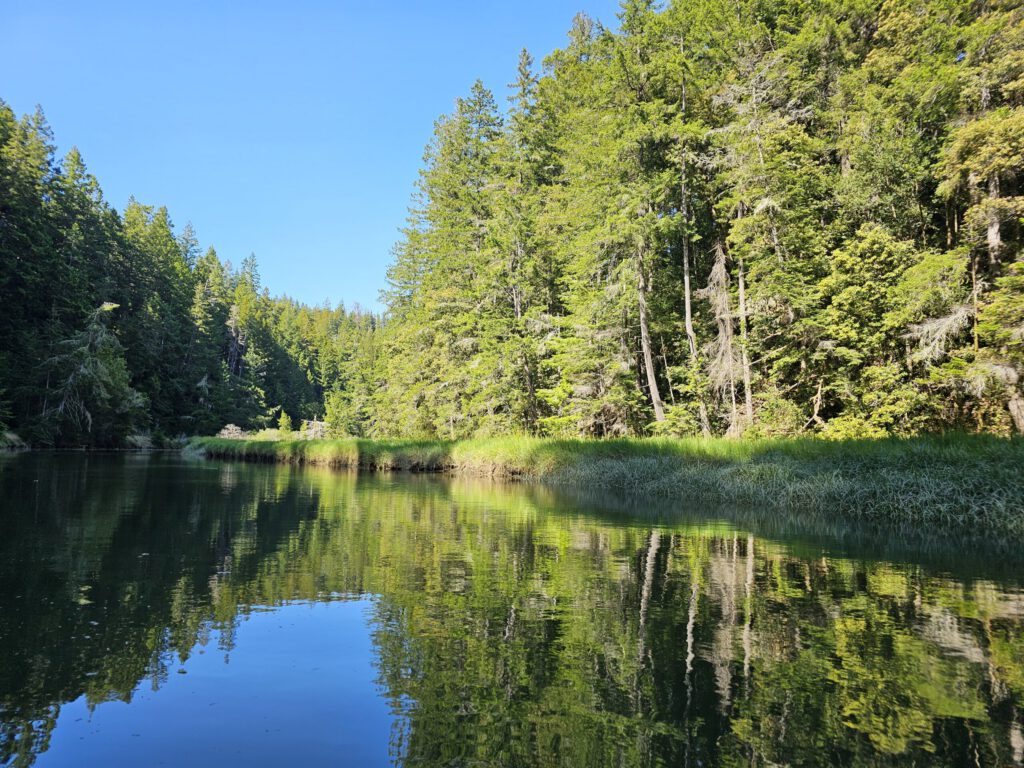
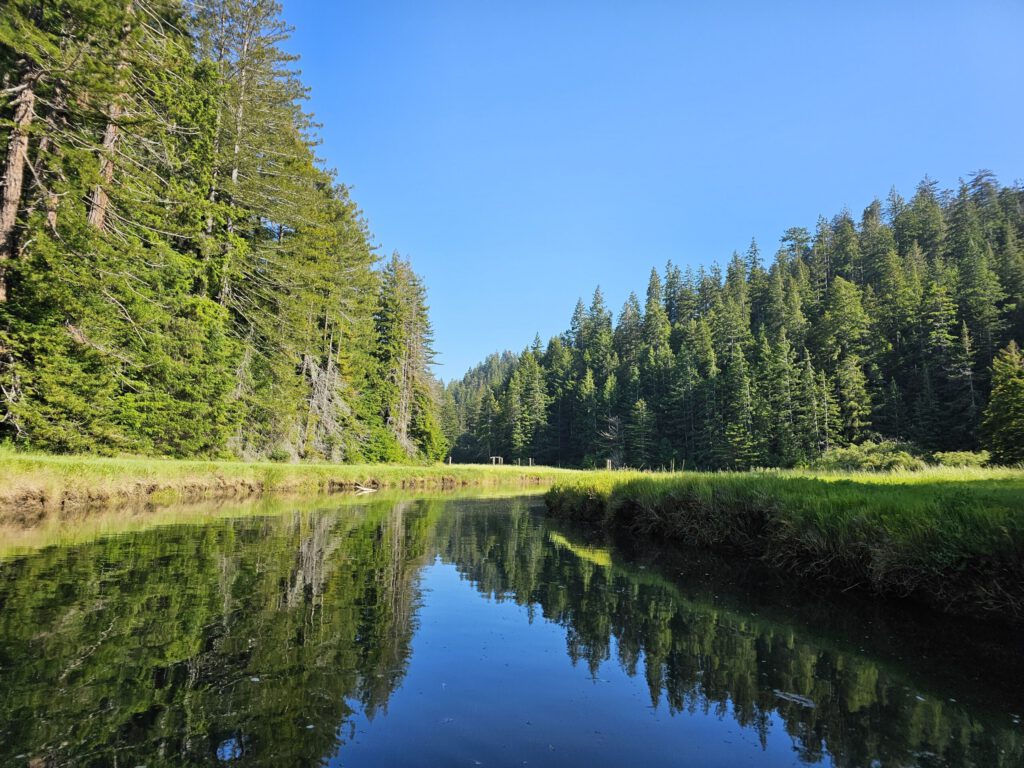
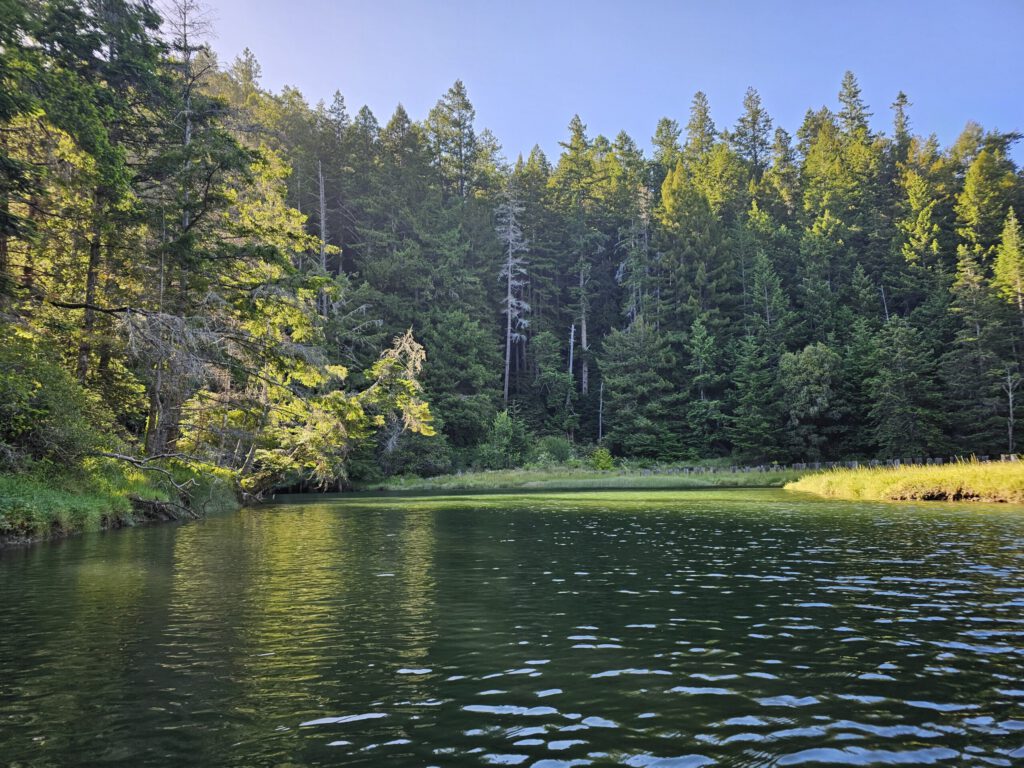
This third house is the only one still inhabited, and it has an idyllic, almost dreamlike quality to it. Flowers in one of the windows. A loft bed with sheets that look as if someone just stepped out for a moment. I drifted and listened. The silence is heavenly, broken only at rare intervals by the screech of a hawk. The river is calm, the water a mirror for the trees above. Now and then the wind picks up and sends ripples across the surface, and the mirror shatters briefly into light.
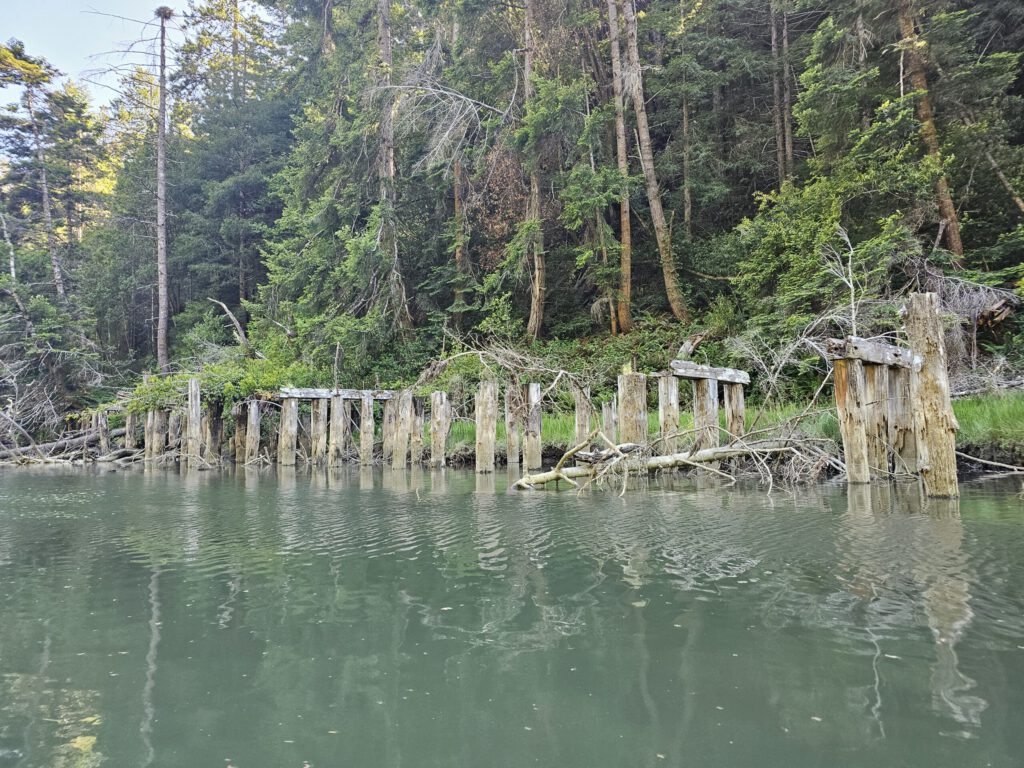
The Albion River, like the other rivers in this part of the coast, was once a working artery for the logging industry. Two or so centuries ago, logs were floated downstream to the sea, where large mills cut them into lumber that built much of the American West. Albion had its own railroad trestle over the water, a small train running its length. The pillars still stand, scattered along the river, quiet proof of an enterprising though tragic past.
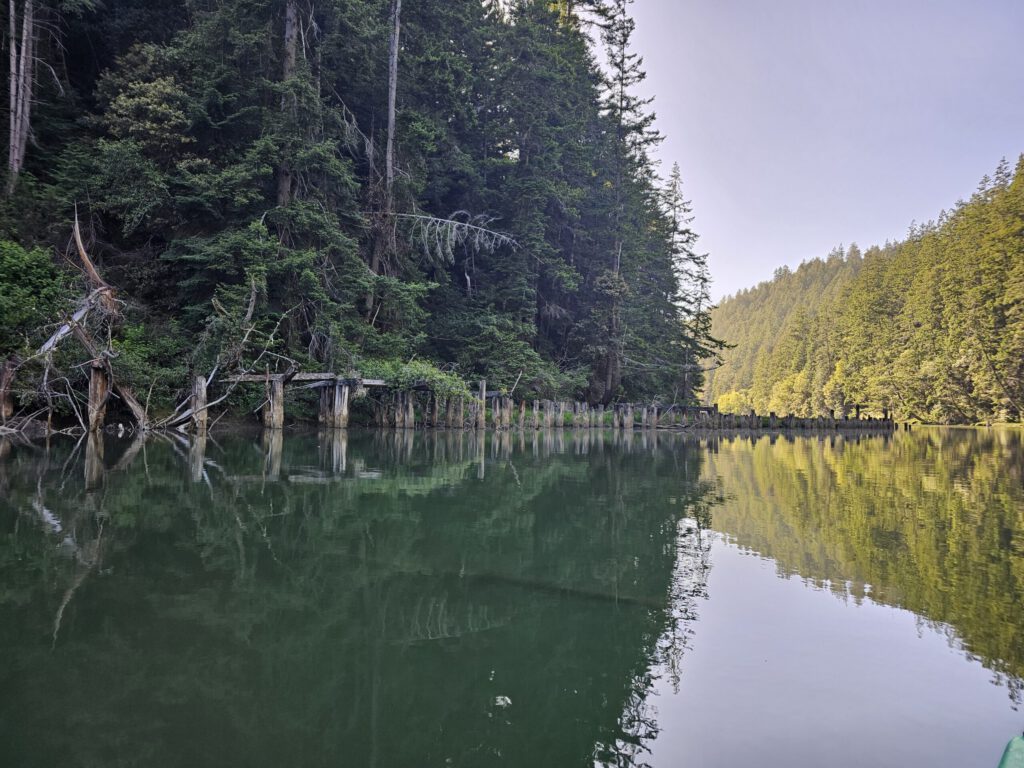
I keep paddling, the wind at my back in irregular bursts. My arms are beginning to tire – I’ve been powering through without much rest, and I find myself thinking about the return trip: arms heavier, wind in my face. But I press on.
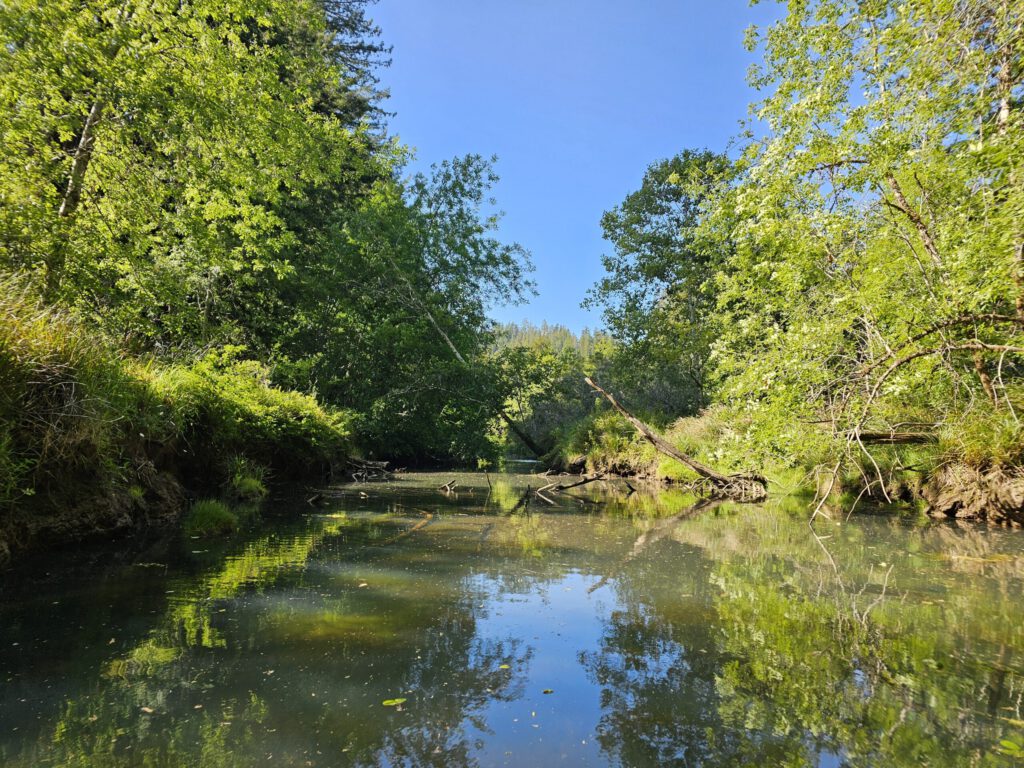
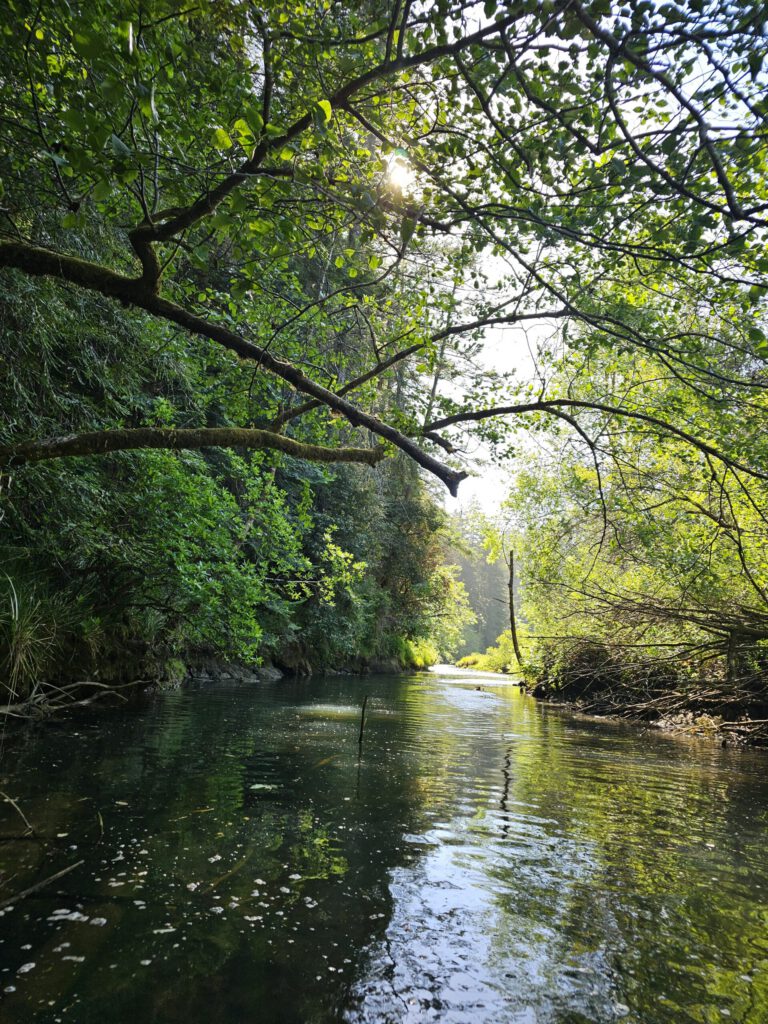
The river bends left, then right, then left again. By now it has narrowed to a fraction of its width at the mouth, a tenth or less. The water is still deep enough for my wide-bellied kayak to float clear of the pebble bed, but I’ve been watching carefully for sunken trunks. With the river running high, many of the logs (some of them massive) lie just below the surface, invisible until you’re almost on top of them. On two past trips I came close to being overturned and I remember the feeling vividly.
I should mention that I’d left the house in something of a hurry that day. After I pulled the kayak out of the truck, I put on the life vest and tried to zip it up but I could not get it closed, and assumed, with a shrug, that I’d simply gotten fatter. So I left it unzipped and launched anyway. It was only back home that I realized I’d grabbed my wife’s vest, a medium, not a large, chosen entirely on the basis of its color: green. Right color, wrong size. Which meant I had to be more vigilant than ever about those logs lurching like crocodiles under the surface of the water.
After ducking under a trunk bridging both shores and threading past several branches reaching out over the water, I finally arrive at the end of the line. The river had turned shallow with jutting branches everywhere and no clear way through. I see a possible way to continue but it means I’d have to paddle over sunken logs and just power through the many branches. The voice of reason is loud and clear: Go back!
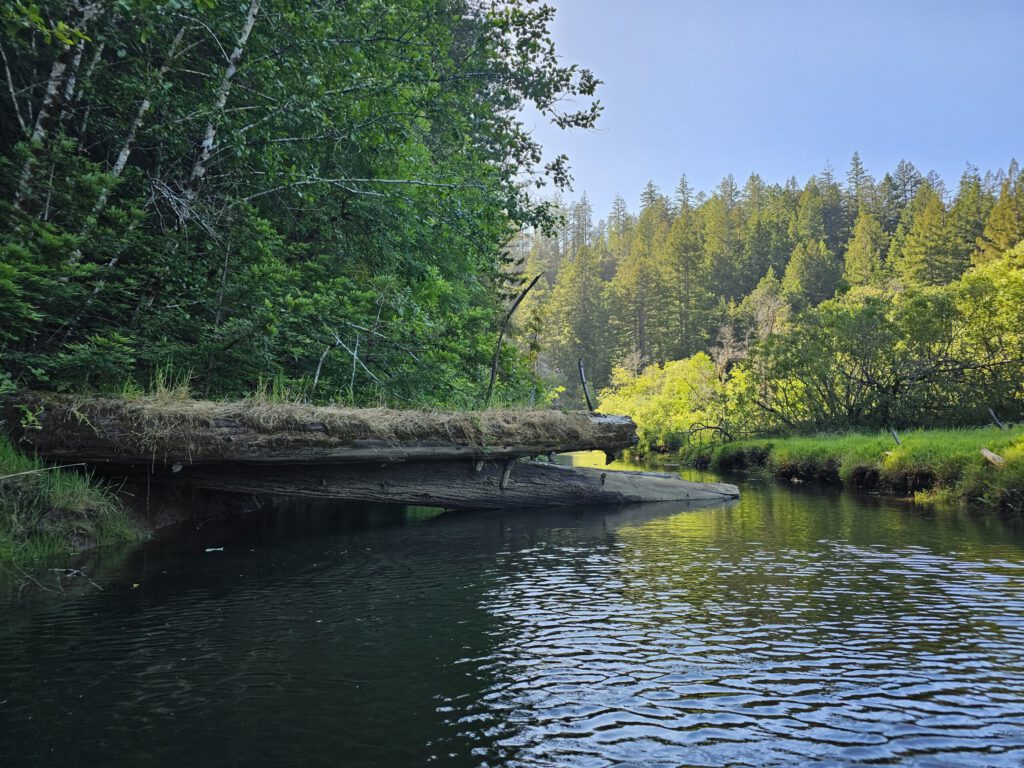
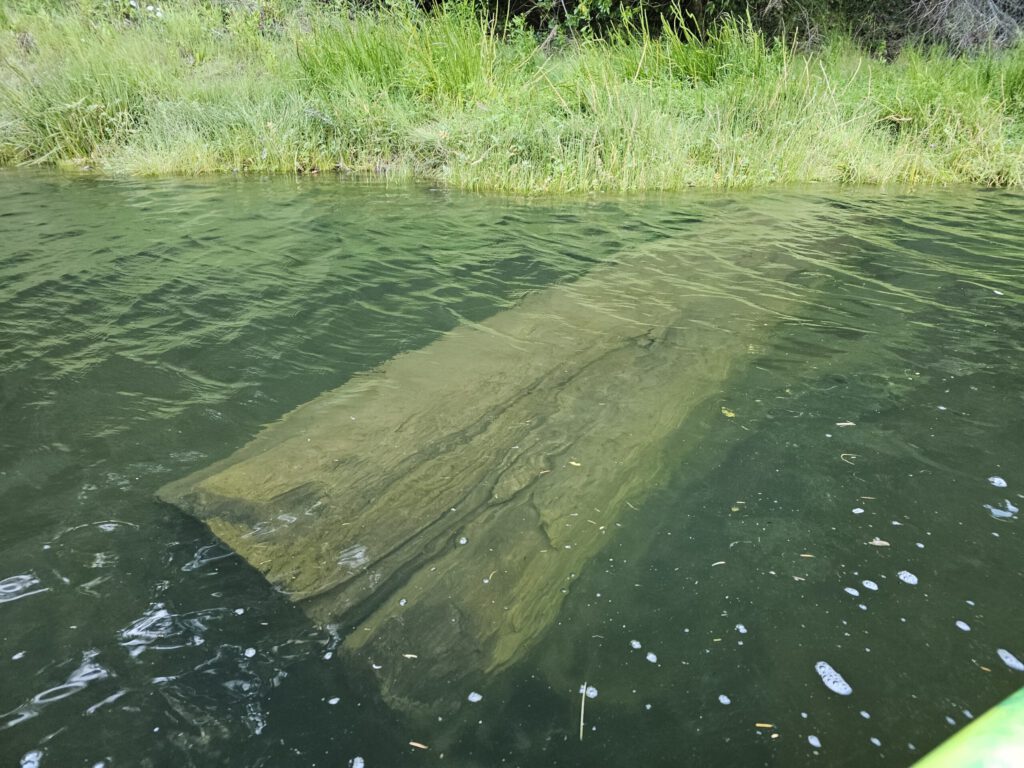
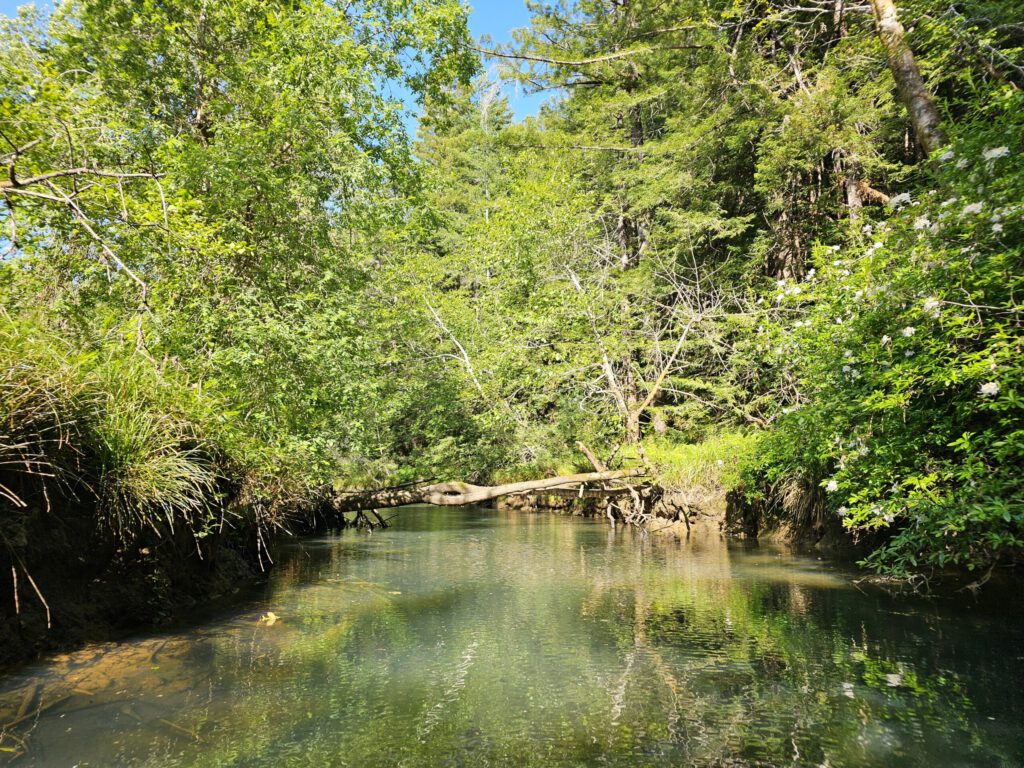
But I don’t go back. I linger, working out how to beat the tangle. When George Mallory, the famed British mountaineer, was asked why he wanted to climb Everest, his answer was simply: “Because it’s there.” The voice of reason in my head grows louder, and this time I listen. I paddle backwards a few feet, wrestle the bow around a thick branch, and push hard to break clear of the others jutting out of the water. Once free, my arms are burning, needles from fingertip to shoulder, but I’m in open water again. I point the bow downstream and dig in.
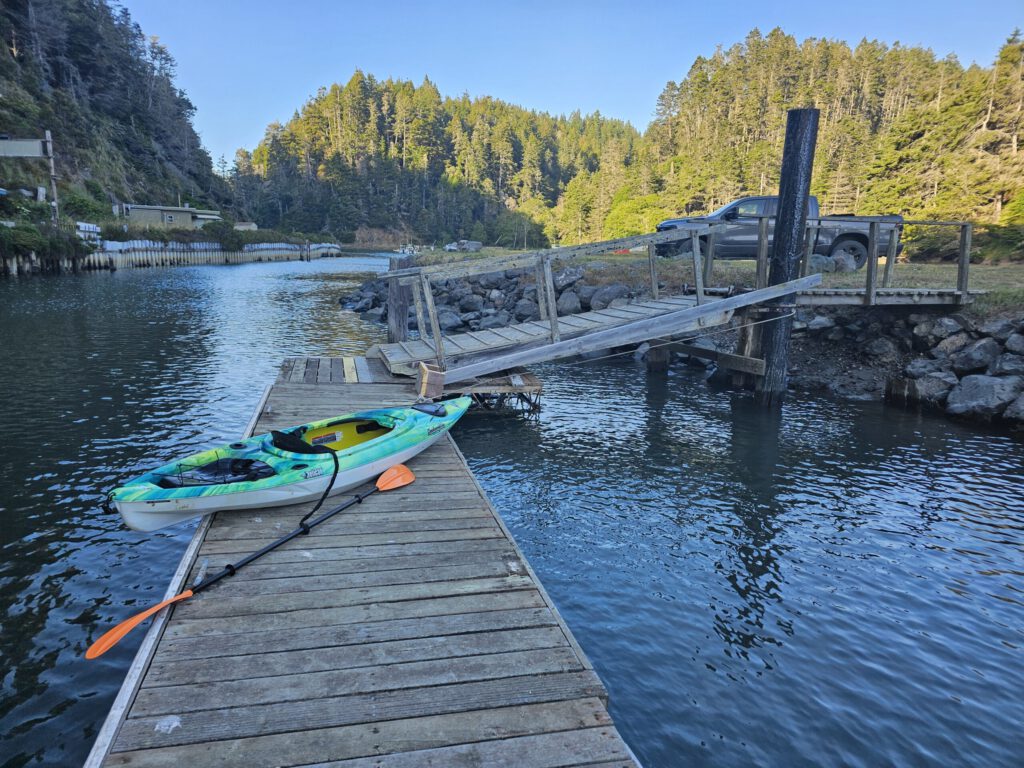
It takes about two hours to reach the docks where I’d left my truck. By the time I reach the departure point my arms are hurting in earnest. The docks sit about a foot and a half above the water and I’d expected getting out to be a struggle. It is not. I climb out surprisingly easy, hoist the kayak and paddle, and drop them in the truck bed.
I should mention another consequence of leaving the house in a hurry: I neglected picking clothes with pockets, and thus I had no watertight place to put my wallet and my keys. The solution was to hide the wallet inside the car, lock up, and tuck the keys in the front wheel well. Not exactly Fort Knox, but it worked. Upon returning the keys were where I’d left them. And so was the wallet.
It is now a few days after the trip. That night my arms felt like they had detached from my body, that’s how intensely they hurt. I’m fine now, and contemplating a trip to the end of Big River.
The article in Anderson Valley Advertiser, about Dory Dan Bolin: Memories of Dory Dan Bolin.